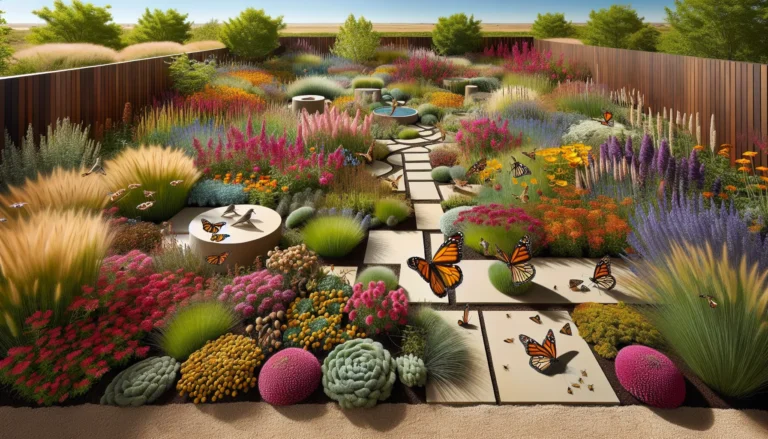

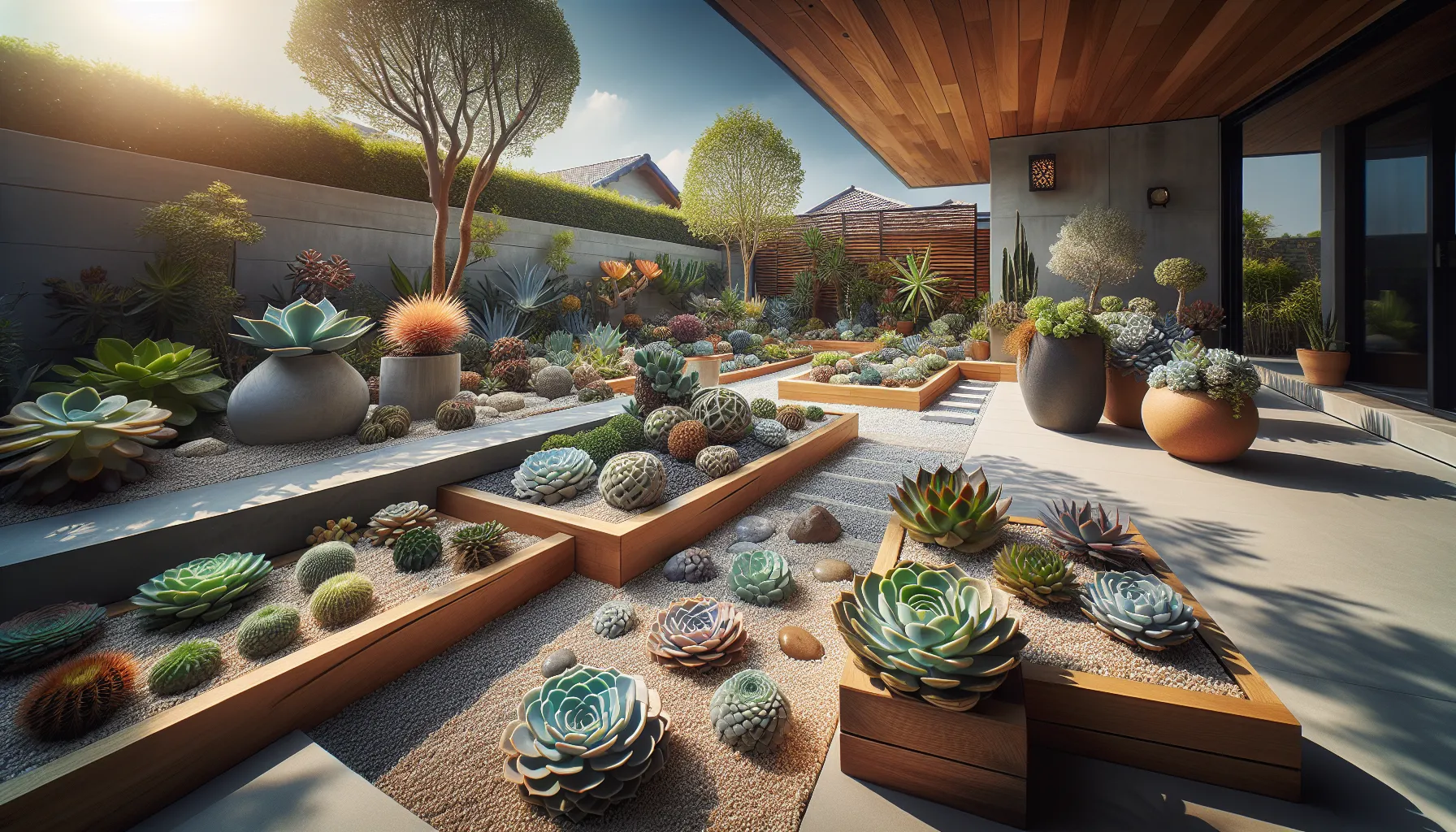

Picture this: You step outside, coffee in hand, and sunlight glints off a cluster of plump, blue-green rosettes. A hummingbird hovers over a coral-pink bloom. The air smells faintly of earth and rain. This isn’t a desert or a fancy botanical garden—it’s your own backyard, transformed by succulent garden design. If you’ve ever thought your outdoor space felt flat or lifeless, you’re not alone. But here’s the part nobody tells you: succulents can turn even the dullest patch of dirt into a living work of art, and you don’t need a green thumb to pull it off.
Why Succulent Garden Design Works for Real People
Succulent garden design isn’t just for plant nerds or people with endless free time. It’s for anyone who wants a beautiful, low-maintenance space that actually makes them want to go outside. Succulents thrive on neglect. Forget to water them for a week? They’ll probably thank you. Live in a place with blazing summers or chilly nights? There’s a succulent for that. The real magic is how these plants combine wild shapes, wild colors, and wild resilience.
Here’s why: Succulents store water in their leaves, stems, or roots. That means they can survive drought, heat, and even a little frost. They come in every color from lime green to deep purple, and their shapes range from spiky to smooth, tiny to towering. You can mix and match them like living Lego bricks. And when you get it right, the result is a garden that looks like it was designed by nature’s own artist.
Getting Started: Who Should (and Shouldn’t) Try Succulent Garden Design
If you love the idea of a garden that mostly takes care of itself, succulent garden design is for you. If you travel a lot, forget to water, or just want something different from the usual lawn and roses, you’ll love it. But if you crave lush, tropical jungles or can’t stand the idea of gravel or rocks, you might want to look elsewhere. Succulents need good drainage and lots of sun. Shade and soggy soil are their enemies.
Here’s a quick gut-check:
- You want a garden that looks good year-round
- You don’t want to spend hours every week on maintenance
- You like bold shapes and colors
- You’re okay with a little trial and error
If you nodded along, keep reading. If not, that’s okay—there’s a plant for everyone.
Design Secrets: How to Make Your Succulent Garden Pop
Start with a Vision, Not a Shopping List
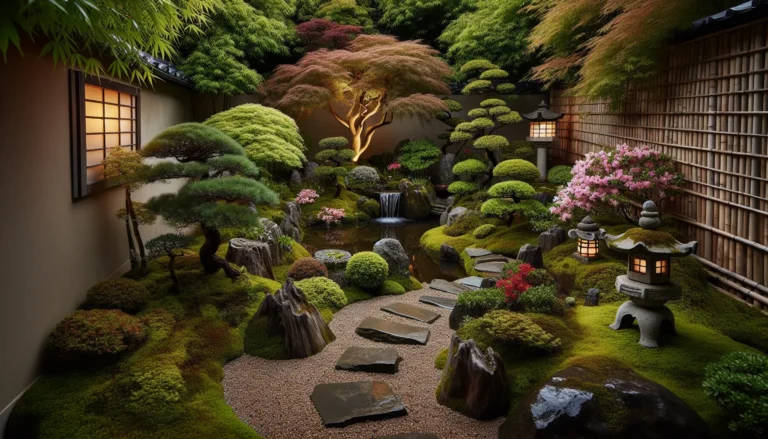
Most people make the mistake of buying a bunch of random succulents and hoping for the best. I did this once. My first attempt looked like a salad bar after a food fight. Here’s what works better: imagine the feeling you want. Do you want a Zen retreat? A wild, colorful patchwork? A modern, geometric vibe? Snap a few inspiration photos or sketch a rough plan. This step saves you money and regret.
Pick the Right Spot
Succulents crave sunlight. Six hours a day is ideal. South-facing spots work best. If you only have partial sun, choose shade-tolerant varieties like Haworthia or Gasteria. Avoid low spots where water pools after rain. Good drainage is non-negotiable. If your soil is heavy clay, build a raised bed or use large containers.
Soil and Drainage: The Unsexy Secret
Here’s the part nobody tells you: regular garden soil will kill your succulents. It holds too much water. Use a mix of cactus soil and coarse sand or perlite. If you’re planting in the ground, dig down at least a foot and mix in gravel. This one step can mean the difference between thriving plants and a mushy mess.
Layering: Height, Texture, and Color
Great succulent garden design uses contrast. Pair tall, spiky agaves with low, trailing sedums. Mix blue-green Echeveria with fire-red Crassula. Use boulders, driftwood, or even old pots for structure. Odd numbers look more natural—try groups of three or five. Leave space for plants to grow. Crowding leads to rot and disappointment.
Finishing Touches: Mulch, Rocks, and Art
Top your soil with gravel or small rocks. This keeps moisture in and weeds out. It also makes colors pop. Add a quirky statue, a weathered bench, or a path of stepping stones. These details turn a collection of plants into a real garden.
Common Mistakes (and How to Dodge Them)
- Overwatering: Succulents hate wet feet. Water deeply, then let the soil dry out completely.
- Bad drainage: If water sits for more than a day, fix it. Add sand, gravel, or raise the bed.
- Too much shade: Leggy, pale plants mean they need more sun.
- Ignoring pests: Watch for mealybugs and snails. A quick blast of water or a dab of rubbing alcohol can save your plants.
I once lost a whole tray of baby Echeveria to root rot because I thought “more water = more growth.” Lesson learned: less is more.
Succulent Garden Design Ideas for Every Space
Small Yards and Patios
Use raised beds or large pots. Try a vertical wall planter for a living piece of art. Mix trailing varieties like String of Pearls with upright types like Aloe. Even a single, oversized pot can make a statement.
Front Yards
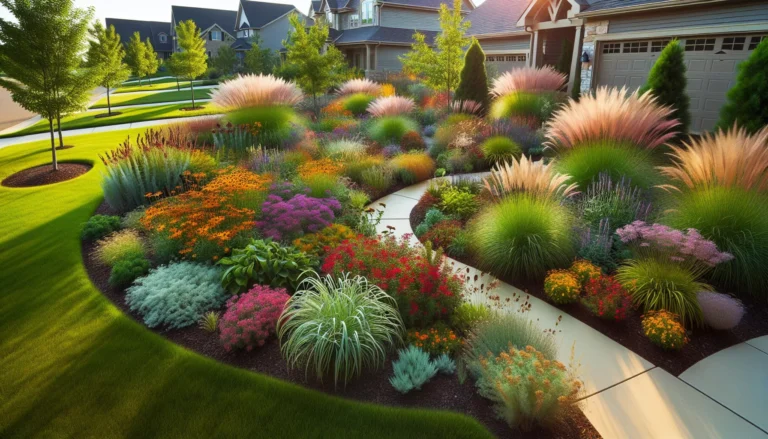
Replace thirsty lawns with a mix of Agave, Yucca, and colorful groundcovers like Sedum. Add a dry creek bed with river rocks for drama. Neighbors will stop and stare—promise.
Balconies and Indoors
Choose compact varieties like Haworthia, Jade, or Zebra Plant. Use shallow bowls or quirky containers. Rotate plants for even sun. Indoors, water even less—once every two weeks is plenty.
Care Tips: Keeping Your Succulent Garden Thriving
- Water only when soil is dry to the touch
- Fertilize lightly in spring and summer—half-strength is enough
- Remove dead leaves to prevent rot
- Watch for pests and treat early
- Rotate pots for even growth
Here’s a trick: stick your finger an inch into the soil. If it’s dry, water. If not, wait. Simple, but it works.
What Nobody Tells You About Succulent Garden Design
Succulent garden design isn’t about perfection. Some plants will die. Some will surprise you and bloom out of nowhere. You’ll learn as you go. The real reward isn’t just a pretty yard—it’s the sense of calm and pride you get every time you see something new growing. If you’ve ever felt intimidated by gardening, succulents are the perfect way to start. They forgive mistakes, reward patience, and turn even the smallest space into a living gallery.
Ready to try succulent garden design? Start small. Pick a few favorites, give them sun and space, and watch what happens. Nature’s art is waiting—right outside your door.