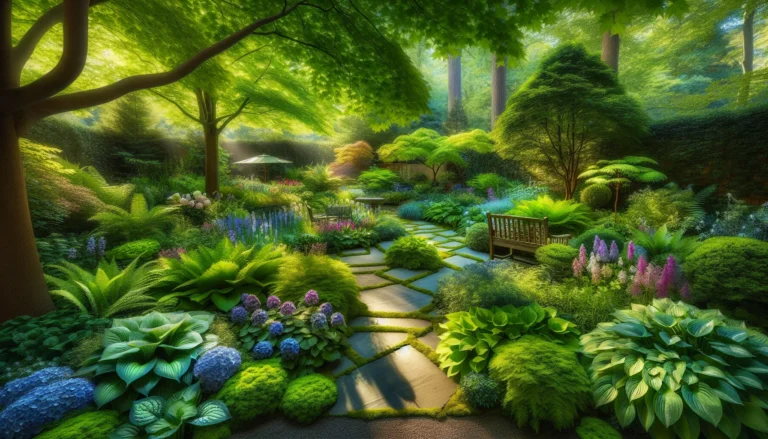



Picture this: You step outside, coffee in hand, and the world shrinks to a quiet corner. Moss cushions your feet, a single stone path curves past a tiny maple, and the only sound is water trickling over smooth pebbles. That’s the magic of small Japanese garden design. It’s not about size—it’s about creating a pocket of calm, even if you’ve only got a balcony or a patch of yard. If you’ve ever wished for a retreat from chaos, you’re in the right place.
Why Small Japanese Garden Design Works—Even in Tiny Spaces
Here’s the part nobody tells you: Small Japanese garden design isn’t just for sprawling estates or Zen monasteries. It’s for anyone who craves a moment of peace. The secret? Every element earns its place. There’s no room for clutter, so each stone, plant, and lantern matters. This focus turns even a few square feet into a sanctuary.
Japanese gardens use contrast—soft moss against rough rock, bright leaves beside dark water. They play with scale, making a single boulder feel like a mountain. You don’t need a lot of space. You need intention.
What Makes a Japanese Garden “Japanese”?
If you’ve ever wondered why Japanese gardens feel so different, it’s not just the plants. It’s the philosophy. Small Japanese garden design draws on centuries-old ideas: simplicity, balance, and respect for nature. Here’s what sets them apart:
- Asymmetry: Nothing is perfectly even. Odd numbers of stones, uneven paths, and off-center features create a natural look.
- Borrowed Scenery: Use what’s around you—a neighbor’s tree, a distant view—to make your space feel bigger.
- Symbolism: Rocks can stand for mountains, sand for water, and moss for forests. Every piece tells a story.
- Seasonal Change: Plants that shift with the seasons keep your garden alive and interesting all year.
Let’s break it down: You don’t need a cherry tree or a koi pond. You need a sense of balance and a few well-chosen elements.
Start Here: Who Should Try Small Japanese Garden Design?
Small Japanese garden design isn’t for everyone. If you want a riot of color or a wild cottage look, this might not be your style. But if you crave calm, love subtle beauty, and don’t mind a little patience, you’ll fit right in. It’s perfect for:
- Apartment dwellers with balconies
- Homeowners with tiny yards
- Anyone who wants a low-maintenance, peaceful space
Here’s a lesson I learned the hard way: I once tried to cram every cool plant I found into my garden. It looked busy, not peaceful. Japanese gardens taught me to edit. Less really is more.
Core Elements of Small Japanese Garden Design
Ready to get your hands dirty? Here are the essentials you’ll need for small Japanese garden design:
1. Stones and Gravel
Stones are the bones of your garden. Use a few large rocks as focal points. Gravel or sand can stand in for water—rake it into gentle waves for a meditative touch. Don’t overdo it. Three stones, carefully placed, can feel like a mountain range.
2. Water Features
You don’t need a pond. A simple bowl of water, a bamboo fountain, or even a rain chain can bring the soothing sound of water. If you’re short on space, try a tabletop fountain. The trick is to keep it subtle—think gentle trickle, not gushing waterfall.
3. Plants
Choose plants that thrive in your climate. Japanese maples, ferns, moss, and azaleas work well. Go for different textures and shades of green. If you want flowers, keep them minimal—one or two camellias or irises can make a big impact. Remember, small Japanese garden design is about restraint.
4. Paths and Stepping Stones
Even in a tiny space, a winding path adds mystery. Use flat stones or wooden planks. Let the path curve—straight lines feel stiff. The goal is to slow you down, make you notice each step.
5. Ornaments and Accents
A stone lantern, a bamboo fence, or a simple bench can add character. Don’t crowd your space. One or two accents are enough. Here’s why: Too many ornaments distract from the calm you’re trying to create.
Design Tips: Making the Most of Small Spaces
Small Japanese garden design is all about illusion. Here’s how to make your space feel bigger and more peaceful:
- Layering: Place taller plants at the back, shorter ones in front. This creates depth.
- Borrowed Views: Frame a distant tree or building with your plants. It tricks the eye into seeing more space.
- Keep It Simple: Limit your color palette. Stick to greens, grays, and browns with a pop of seasonal color.
- Negative Space: Leave some areas empty. Open space is just as important as what you add.
If you’ve ever felt overwhelmed by clutter, you’ll love this approach. It’s like a breath of fresh air for your mind.
Common Mistakes (And How to Avoid Them)
Let’s be honest: Most of us mess up the first time. Here are mistakes I’ve made—and how you can dodge them:
- Overcrowding: It’s tempting to add more, but restraint is key. Edit ruthlessly.
- Ignoring Scale: Big rocks in a tiny space can feel out of place. Choose elements that fit your garden’s size.
- Forgetting Maintenance: Even low-maintenance gardens need care. Sweep paths, trim plants, and refresh gravel as needed.
- Skipping the Plan: Sketch your design first. It saves time and money.
Here’s the part nobody tells you: Your garden will never be “done.” It changes with the seasons, and that’s the beauty of it.
Action Steps: Create Your Own Tranquil Retreat
Ready to start your small Japanese garden design? Here’s a simple plan:
- Pick your spot. Even a 4×4 foot area works.
- Sketch your layout. Decide where stones, plants, and paths will go.
- Choose your materials. Visit a local nursery or stone yard.
- Start with the largest elements—stones, then paths, then plants.
- Add water and ornaments last. Step back and edit if needed.
Don’t stress about perfection. Japanese gardens celebrate imperfection—mossy stones, weathered wood, and all.
Final Thoughts: Why Small Japanese Garden Design Matters
If you’ve ever felt like your home is missing a sense of calm, small Japanese garden design offers a solution. It’s not about copying a style—it’s about creating a space that feels like a deep breath. You’ll make mistakes. You’ll learn what works for you. And in the end, you’ll have a retreat that’s yours alone.
So grab a stone, plant a fern, and start small. Your tranquil retreat is closer than you think.