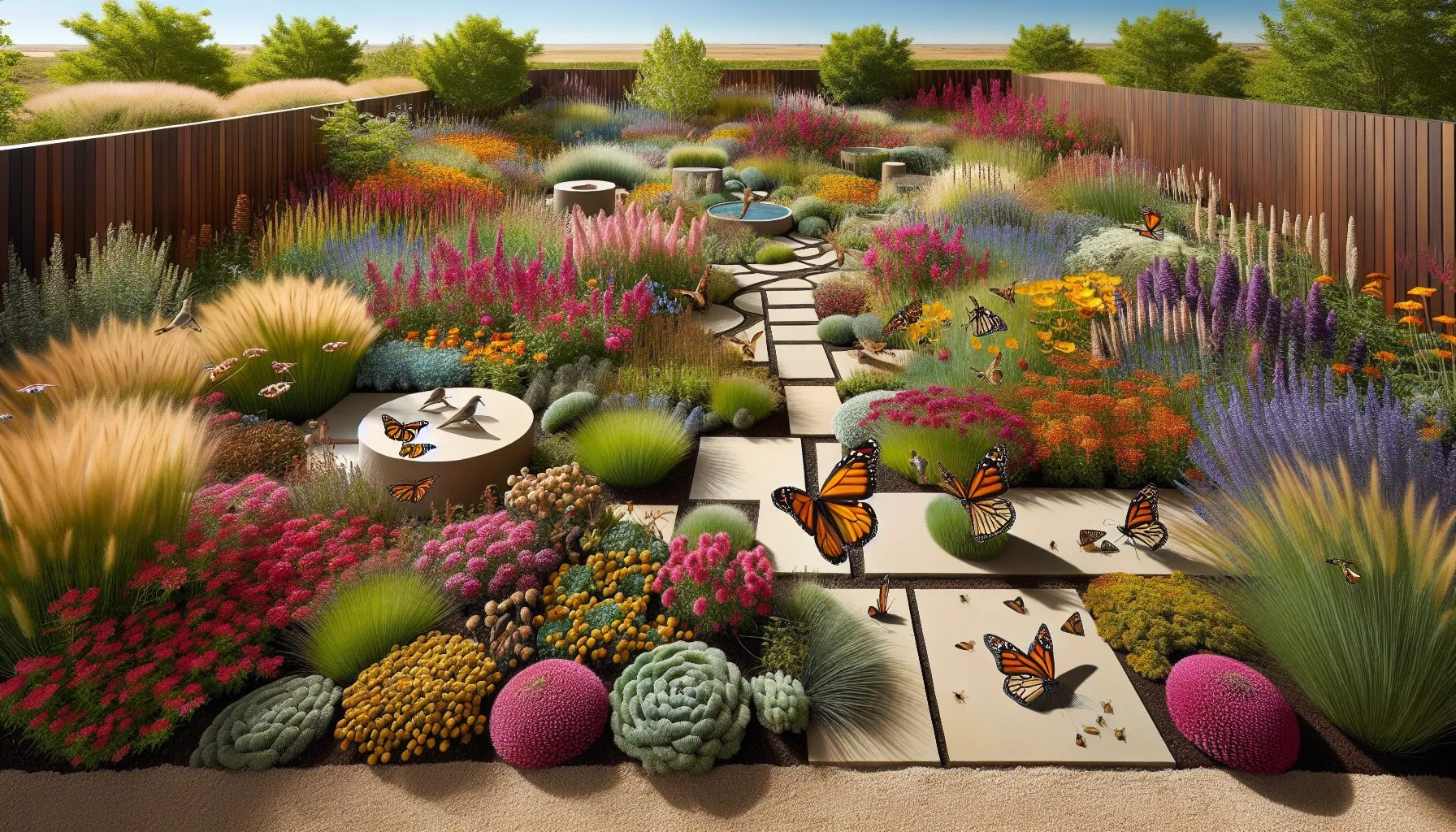
Picture this: You step outside on a Saturday morning, coffee in hand, and the air smells like wildflowers after rain. Bees hover over purple coneflowers. Goldfinches dart between sunflowers and bluestem. You didn’t just plant a garden—you created a living, breathing story. That’s the magic of native plant garden design. If you’ve ever felt frustrated by thirsty lawns or flowerbeds that wilt at the first sign of drought, you’re not alone. Native plant garden design flips the script, giving you a yard that’s beautiful, resilient, and buzzing with life.
Why Native Plant Garden Design Changes Everything
Let’s break it down. Native plant garden design means choosing plants that evolved right where you live. These aren’t just pretty faces—they’re survivors. They know your soil, your weather, your bugs. They don’t need coddling. If you’ve ever spent a fortune on irrigation or watched imported flowers shrivel, you know the pain. Native plant garden design offers a way out. You get color, texture, and wildlife—without the endless maintenance.
Who Should Try Native Plant Garden Design?
If you love the idea of a yard that works with nature, not against it, this is for you. Maybe you want to help pollinators, save water, or just have a garden that doesn’t need constant babysitting. On the other hand, if you crave a perfectly manicured lawn or exotic blooms from far-off places, native plant garden design might not scratch that itch. And that’s okay. But if you’re ready for a garden that feels alive and tells a story, keep reading.
What Makes Native Plant Garden Design Different?
Here’s the part nobody tells you: native plant garden design isn’t about copying a wild meadow. It’s about creating a space that fits your life and your region. You can go for a tidy look with neat borders, or let things sprawl a bit for a wilder vibe. The key is picking the right plants for your spot. For example, if you live in the Midwest, prairie dropseed and black-eyed Susans thrive. In the Southeast, try beautyberry and coreopsis. The right choices mean less work and more reward.
Common Mistakes (And How to Dodge Them)
- Planting too close together: Native plants often spread. Give them room, or you’ll end up with a jungle.
- Ignoring soil and sun: Even tough natives have preferences. Check if your spot is sunny, shady, dry, or soggy before you buy.
- Expecting instant results: The first year, things might look sparse. By year two or three, you’ll see the payoff.
I once planted a patch of wild bergamot way too close to my walkway. By July, it had swallowed the path and my shoes. Lesson learned: measure twice, plant once.
How to Start Your Native Plant Garden Design
Ready to get your hands dirty? Here’s a simple plan:
- Observe your yard: Watch where the sun hits, where water pools, and what’s already growing.
- Pick your palette: Choose native plants that match your conditions. Local nurseries or extension offices can help.
- Plan your layout: Sketch a rough map. Group plants with similar needs together.
- Prep the soil: Remove weeds and grass. You don’t need fancy amendments—most natives like it simple.
- Plant and mulch: Set your plants in, water well, and add a layer of mulch to keep weeds down.
Here’s why this works: you’re setting up your garden for success from day one. No guesswork, no wasted money.
Favorite Native Plants for Every Region
- Northeast: New England aster, butterfly weed, switchgrass
- Midwest: Purple coneflower, prairie dropseed, little bluestem
- Southeast: Beautyberry, coreopsis, goldenrod
- West: California poppy, yarrow, penstemon
Each of these brings color, texture, and wildlife. Plus, they’re tough as nails.
What Surprised Me About Native Plant Garden Design
I’ll be honest: I used to think native plant garden design meant giving up on beauty. I pictured scraggly weeds and brown patches. But the first time a monarch butterfly landed on my milkweed, I got it. These gardens aren’t just pretty—they’re alive. You’ll see birds you’ve never noticed, and your neighbors might even ask for advice. The best part? You spend less time watering and more time enjoying.
Tips for Keeping Your Native Plant Garden Design Thriving
- Water new plants until they’re established—usually the first season
- Weed regularly at first, then let the plants fill in
- Skip the fertilizer—most natives don’t need it
- Leave seed heads for birds in fall and winter
Next steps: snap photos as your garden grows. You’ll be amazed at the changes from season to season.
Native Plant Garden Design: The Payoff
If you’ve ever wanted a yard that feels like a secret world, native plant garden design delivers. You’ll save water, attract pollinators, and spend less time fighting nature. Sure, you might make a few mistakes (I’ve killed more goldenrods than I care to admit), but that’s part of the fun. The real reward is watching your outdoor space come alive—one bee, bird, and bloom at a time.
Ready to try native plant garden design? Start small. Pick a corner, plant a few natives, and see what happens. You might just fall in love with your yard all over again.