
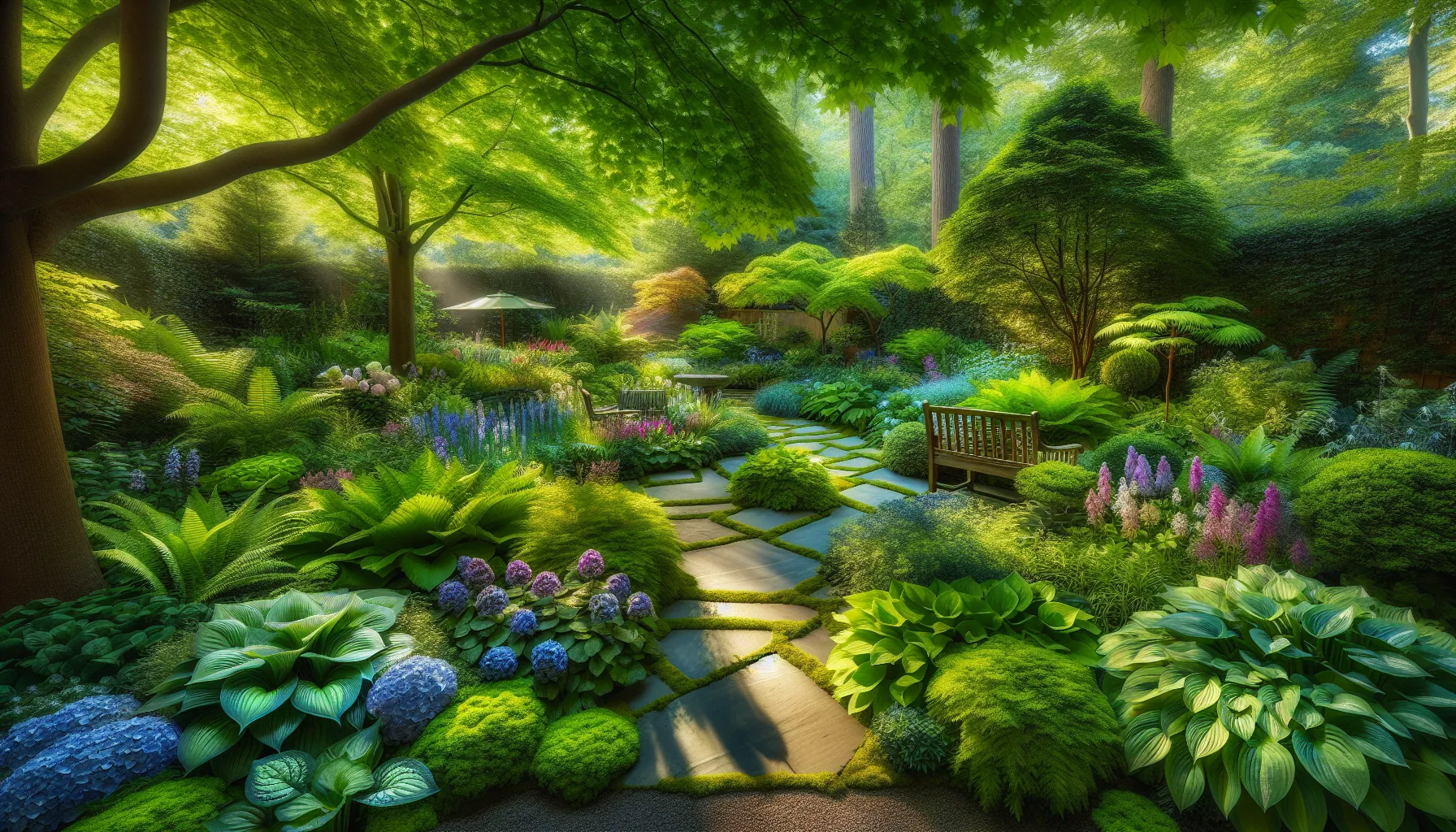

Picture this: You step outside on a muggy July afternoon, sweat already beading on your forehead. You crave a cool, green escape, but your backyard sits in the shadow of a giant oak. Sun-loving flowers wilt, and grass turns patchy. If you’ve ever felt defeated by shade, you’re not alone. But here’s the part nobody tells you—layout shade garden design isn’t about fighting the darkness. It’s about working with it, and the results can be magical.
Why Shade Gardens Matter (and Who They’re For)
If you’ve got a yard that’s more dappled than dazzling, you might think your options are limited. But shade gardens offer a secret world of texture, color, and calm. They’re perfect for anyone who wants a low-maintenance retreat, a cool spot to read, or a lush view from the kitchen window. If you’re obsessed with roses and sunflowers, this might not be your thing. But if you love ferns, hostas, and the sound of rain on leaves, keep reading.
Start with the Light: Know Your Shade
Here’s where most people trip up. Not all shade is the same. Before you sketch your layout shade garden design, spend a day watching how the light moves. Is it deep shade all day? Or does the sun peek through for a few hours? Grab a notebook and jot down what you see at 9 a.m., noon, and 3 p.m. This tiny act will save you from planting sun-lovers in a spot where they’ll sulk.
- Full shade: Less than 2 hours of direct sun
- Partial shade: 2-4 hours of morning or late afternoon sun
- Dappled shade: Sunlight filtered through leaves
Once you know your shade, you can pick plants that thrive, not just survive.
Design Principles for Shade Gardens
1. Layer Like a Pro
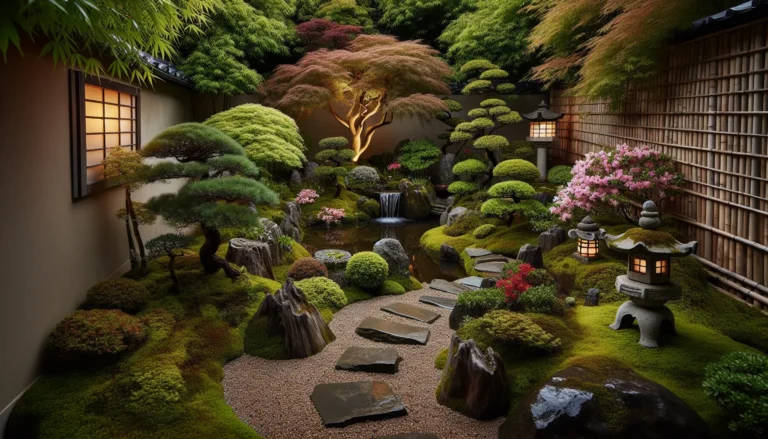
Think of your layout shade garden design like a forest. Start with tall, airy trees or shrubs. Underneath, add mid-sized plants like hydrangeas or azaleas. At ground level, tuck in ferns, hostas, and groundcovers. This creates depth and keeps your eye moving. Here’s why: Layering mimics nature, and it makes even small spaces feel lush.
2. Play with Texture and Shape
Shade gardens aren’t about bold color. They’re about texture. Picture the ruffled edges of a hosta next to the feathery fronds of a fern. Add the glossy leaves of a hellebore, and you’ve got a living patchwork. If you want a garden that feels alive, mix broad, flat leaves with spiky or lacy ones. It’s like mixing velvet and linen in your living room—unexpected, but it works.
3. Use Color—But Not How You Think
Forget neon blooms. In shade, subtlety wins. Go for white, silver, and chartreuse foliage. These colors pop in low light. Try Japanese forest grass, variegated hostas, or brunnera. For flowers, look for astilbe, bleeding heart, or foxglove. Even a single white hydrangea can glow at dusk.
Common Mistakes (and What I Learned the Hard Way)
Here’s my confession: My first shade garden was a mess. I planted too close, ignored soil quality, and picked plants just because they looked pretty at the nursery. The result? A tangled, unhappy patch that made me want to give up. If you want to avoid my mistakes, remember these:
- Don’t crowd your plants. Give them room to breathe and grow.
- Test your soil. Shade often means dry, root-filled ground. Add compost and mulch to keep moisture in.
- Don’t forget paths. Even a narrow stepping stone trail invites you in and keeps feet dry.
Every mistake taught me something. The biggest lesson? Patience. Shade gardens take time to fill in, but the payoff is worth it.
Step-by-Step: Your Layout Shade Garden Design Plan
- Map your space. Draw your yard. Mark trees, fences, and where the shade falls.
- Pick your layers. Choose one or two tall shrubs, a handful of mid-sized plants, and plenty of groundcovers.
- Plan your paths. Decide where you want to walk or sit. Curved paths feel more natural.
- Choose your color palette. Stick to three or four main colors for a calm look.
- Plant in groups. Odd numbers look best—think three hostas, five ferns.
- Mulch and water. Shade gardens need less water, but mulch helps keep roots cool and moist.
Here’s a tip: Lay out your plants in their pots before you dig. Step back and squint. If it looks good from a distance, you’re on the right track.
Plant Picks for Shade Garden Success
- Hosta: Endless shapes and sizes, from blue-green to gold
- Japanese Forest Grass: Bright, arching blades that light up dark corners
- Astilbe: Feathery plumes in pink, white, or red
- Ferns: Lady fern, ostrich fern, or maidenhair for texture
- Heuchera: Colorful leaves, from purple to lime
- Brunnera: Heart-shaped, silver-splashed leaves
- Bleeding Heart: Delicate, heart-shaped flowers in spring
Mix and match these for a layout shade garden design that feels personal and alive.
Secrets Nobody Tells You About Shade Gardens
Here’s the truth: Shade gardens are forgiving. Weeds grow slower. Water evaporates less. You can garden in the heat of the day without melting. And the best part? The quiet. There’s something about the hush of a shaded space that feels like a secret. If you’ve ever wanted a garden that feels like a hidden retreat, this is it.
Next Steps: Make It Yours
Don’t wait for the “perfect” plan. Start small. Plant a corner, add a bench, and see how it feels. Your layout shade garden design will change as you learn what works. That’s the fun of it. Every season brings surprises—new shoots, unexpected blooms, a bird’s nest tucked in the branches. If you’re ready for a garden that rewards patience and curiosity, shade is your friend.
So grab your shovel, trust your instincts, and let the shadows guide you. Your perfect oasis is waiting—right where the sun doesn’t shine.