

Picture this: You step outside on a Saturday morning, coffee in hand, and your front yard bursts with color—golden sunflowers, purple coneflowers, and the gentle hum of bees. You didn’t just plant flowers. You created a front yard native plant garden design that’s alive, buzzing, and—let’s be honest—a little wild in the best way. If you’ve ever wondered why your neighbor’s yard looks like a magazine cover while yours feels stuck in “before” photos, you’re not alone. Here’s the part nobody tells you: native plant gardens aren’t just pretty. They’re easier, cheaper, and way more rewarding than you think.
Why Choose a Front Yard Native Plant Garden Design?
Let’s break it down. Most front yards look the same: a patch of grass, a few shrubs, maybe a tree. But grass guzzles water, needs constant mowing, and offers nothing to pollinators. Native plants flip the script. They thrive in your local soil and weather, so you water less, skip the chemicals, and still get a yard that turns heads. Plus, you help birds, bees, and butterflies find food and shelter. If you want a yard that works for you—and the planet—front yard native plant garden design is your secret weapon.
Who Should (and Shouldn’t) Try This?
If you love the idea of less mowing, more color, and a yard that feels alive, this is for you. If you want a golf-course lawn or hate the idea of “messy” beauty, you might struggle. Native plant gardens reward patience and curiosity. They’re for people who want to watch things grow, not just keep things tidy. If you’re ready to trade perfection for personality, keep reading.
Getting Started: The First Steps
1. Observe Your Yard
Before you buy a single plant, grab a notebook and watch your yard. Where does the sun hit hardest? Which spots stay soggy after rain? Notice the wind, the shade, and the places where nothing seems to grow. These details matter. Native plants succeed when you match them to the right spot. Here’s why: a sun-loving prairie flower will flop in deep shade, and a wetland grass will shrivel on a dry hill.
2. Research Local Native Plants
Every region has its own all-stars. In the Midwest, think purple coneflower, butterfly milkweed, and little bluestem. In California, try California poppy, yarrow, and manzanita. Check with your local extension office or native plant society for lists. Pro tip: Start with 5-7 species. Too many choices can overwhelm you and your yard.
3. Sketch Your Design
You don’t need an art degree. Draw your house, sidewalk, and driveway. Mark sunny and shady spots. Then, group plants by height and bloom time. Put taller plants in the back, shorter ones up front. Mix grasses and flowers for texture. If you want a tidy look, edge beds with rocks or low-growing plants. This signals “intentional” to neighbors and city inspectors alike.
Planting Your Front Yard Native Plant Garden Design
1. Remove Existing Grass
This part takes elbow grease. You can dig up sod, smother it with cardboard and mulch, or rent a sod cutter. Cardboard is slow but easy—lay it down, cover with mulch, and wait a few months. If you’re impatient, dig it up and get planting.
2. Prepare the Soil
Most native plants don’t need rich soil. In fact, too much compost can hurt them. Remove weeds, break up compacted spots, and rake smooth. If your soil is heavy clay or pure sand, pick plants that like those conditions. Don’t overthink it—nature isn’t fussy.
3. Plant in Clumps
Here’s a trick: plant in groups of three or five. This looks natural and helps pollinators find flowers. Space plants according to their mature size. Water them well, then mulch to keep weeds down. The first year, your garden might look sparse. Don’t panic. Native plants spend their first season growing roots. Next year, they’ll explode with growth.
Maintaining Your Native Plant Garden
1. Watering
Water new plants every few days for the first month. After that, water once a week if it doesn’t rain. By year two, most native plants need little or no extra water. That’s the magic of front yard native plant garden design: less work, more reward.
2. Weeding
Weeds will sneak in, especially early on. Pull them by hand or use mulch to smother them. As your plants fill in, weeds have less room to grow. If you miss a few, don’t stress. Even the best gardens have a dandelion or two.
3. Cutting Back
In late winter or early spring, cut back dead stems. Leave some seed heads for birds. Don’t rush—those stems shelter insects through the cold months. If you want a neater look, trim edges and paths. Your garden, your rules.
Common Mistakes (and How to Avoid Them)
- Planting too close: Small plants get big. Give them space, even if it looks empty at first.
- Overwatering: Native plants hate soggy feet. Water less, not more.
- Ignoring the neighbors: Some people love wild gardens, others don’t. Add signs or tidy borders to show you’re not just letting things go.
- Giving up too soon: The first year is slow. Trust the process. Year two is when the magic happens.
Design Ideas for Every Style
1. Prairie Patch
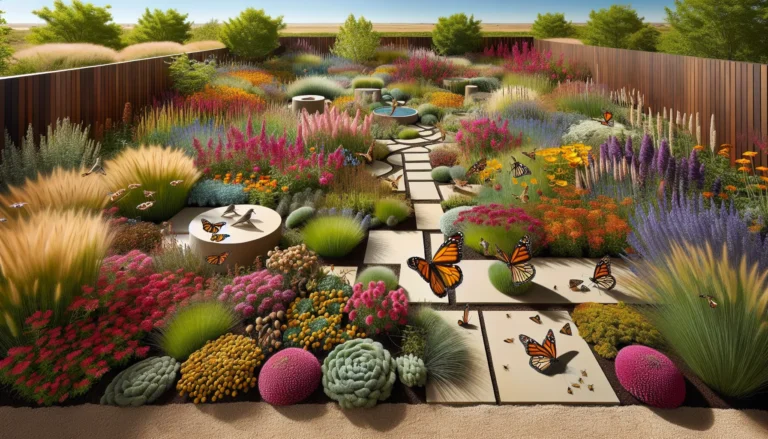
Mix tall grasses like switchgrass with bold flowers like black-eyed Susan. Add a winding path of stepping stones. It’s low-maintenance and full of movement.
2. Cottage Garden
Blend native phlox, bee balm, and asters for a riot of color. Let plants spill over the edges. Add a bench or birdbath for charm.
3. Modern Minimalist
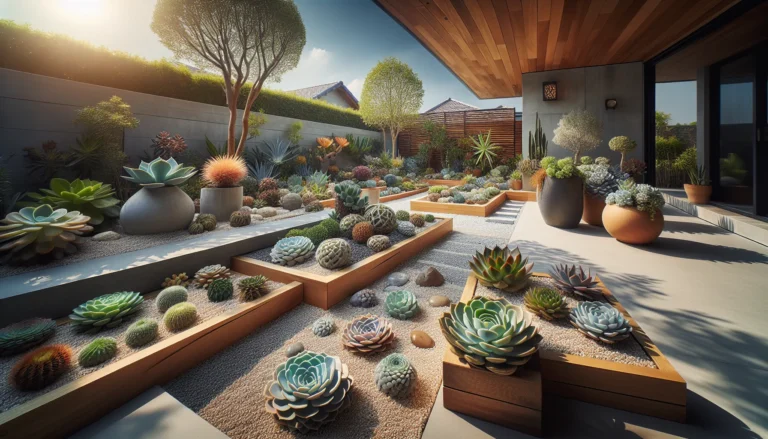
Use repeating clumps of one or two species, like prairie dropseed and wild indigo. Keep lines clean and add gravel or stone for contrast.
What Nobody Tells You About Front Yard Native Plant Garden Design
Here’s the truth: your garden will change every year. Some plants will thrive, others will fade. You’ll make mistakes—planting too close, picking the wrong species, forgetting to water. That’s normal. The best front yard native plant garden design comes from trial and error. You’ll learn what works in your yard, not just in books. And when you see the first monarch butterfly land on your milkweed, you’ll know it was worth it.
Next Steps: Start Small, Dream Big
If you’re ready to try front yard native plant garden design, start with a small bed. Watch how it grows. Add more each year. Share plants with friends. Swap stories and seeds. Your yard won’t just look better—it’ll feel better. And you’ll wonder why you ever settled for plain old grass.